HYBRID CREATIVE ENGINE
I engineered a content pipeline that blends traditional digital art with generative scale.
The Hybrid Workflow:
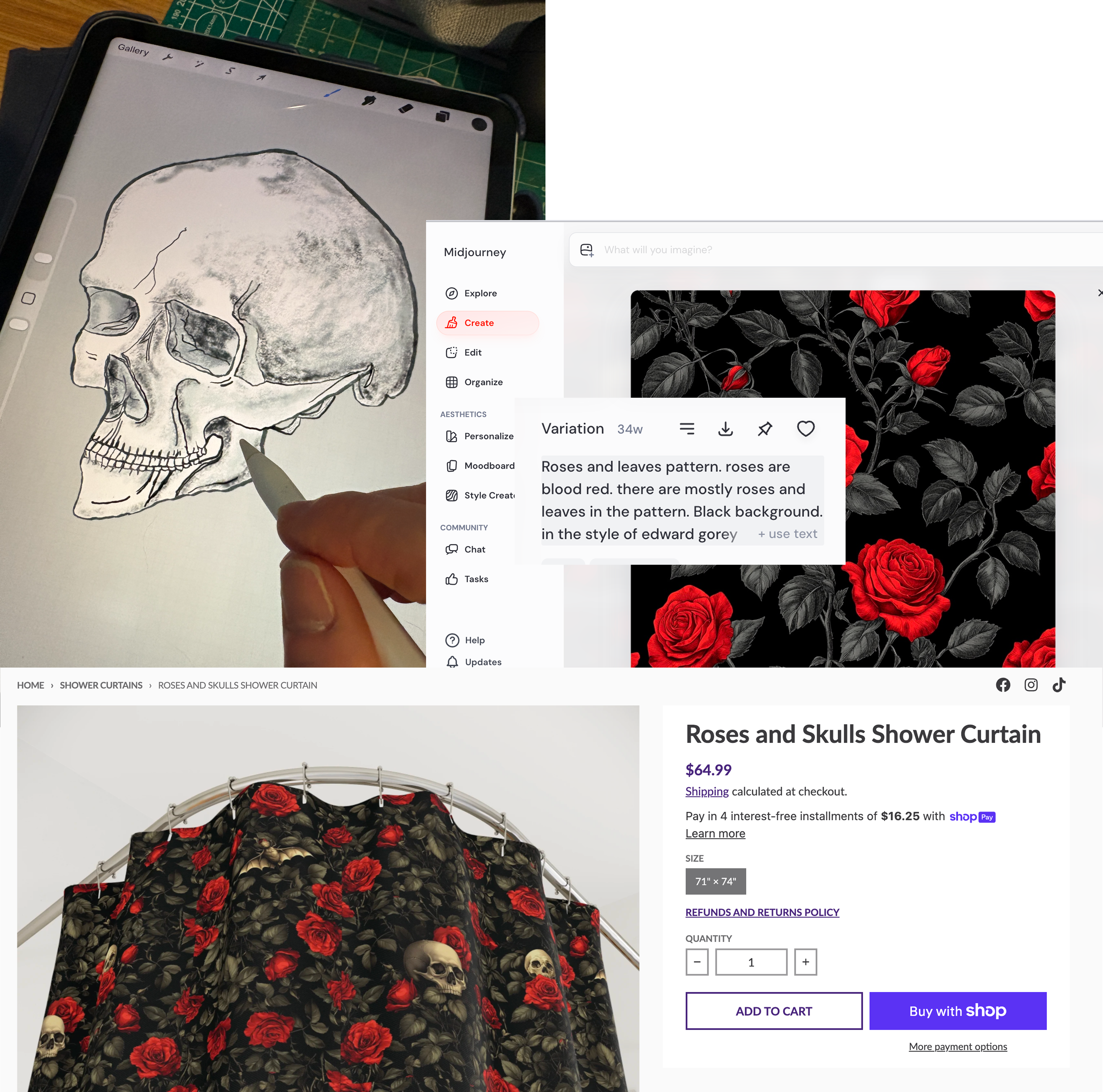
I use Procreate for original hand-drawn character illustrations and Midjourney to generate scalable background textures and patterns. This "Human + AI" approach ensures the IP is unique and legally protectable.
Video Commerce:
Mastered CapCut to produce short-form vertical video content, driving organic engagement on TikTok and Instagram Reels.
Persona Validation:
I didn't just guess the "Goth Cottagecore" vibe. I ran a 2-month user survey to refine the narrative, ensuring the "Dark & Cozy" voice resonated with the target demographic.
- Product preferences: rugs, mugs, home decor over apparel
- 305 out of 315 respondents would buy something advertised through social media
- Platform usage: TikTok leading (74%), Facebook (71%), Instagram (65%)
- Data confirmed strategic decision to build Shopify store connected to TikTok Shop and Instagram Storefront
Hybrid Creative Pipeline: From Prompts to Product Art
OMNICHANNEL ENGINEERING
A modern store is a complex ecosystem of integrations. I architected a stack focused on automation and reach.
SEO Infrastructure:
Integrated Avada SEO Suite to manage meta-data at scale and deployed a niche-specific Blog Strategy to capture top-of-funnel traffic.
Printify Integration:
Built the logic to sync SKU data between the POD provider and Shopify, ensuring inventory states are accurate globally.
Sales Channels:
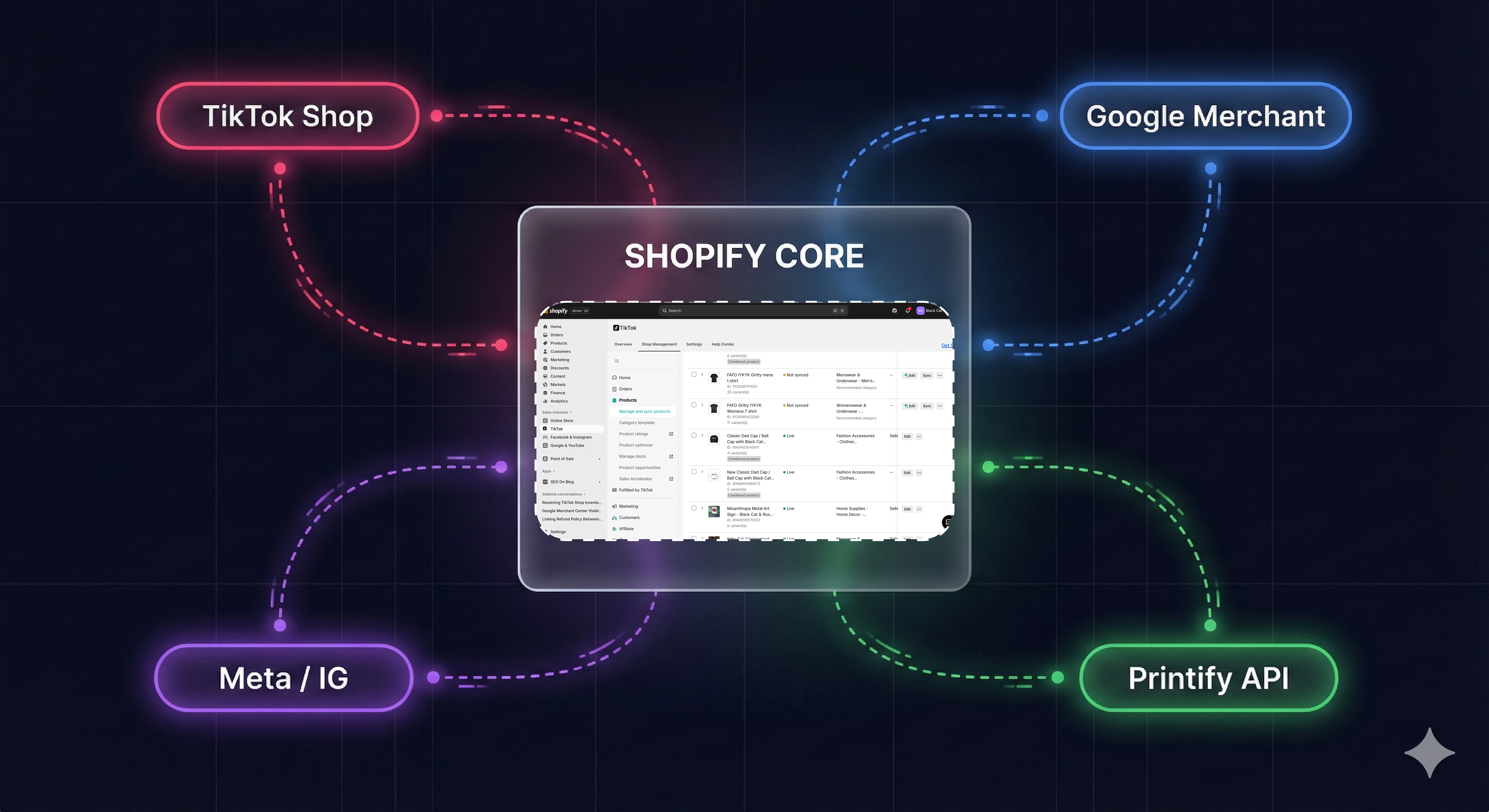
Connected the inventory feed directly to TikTok Shop, Google Merchant Center, and Meta, creating a centralized command center for multi-channel sales.
Omnichannel Sales Architecture: Multi-Platform Integration
TRAFFIC & ACQUISITION LAB
I treated marketing as a UX problem, running live traffic experiments to test the funnel.
The "Cold Start" Problem:
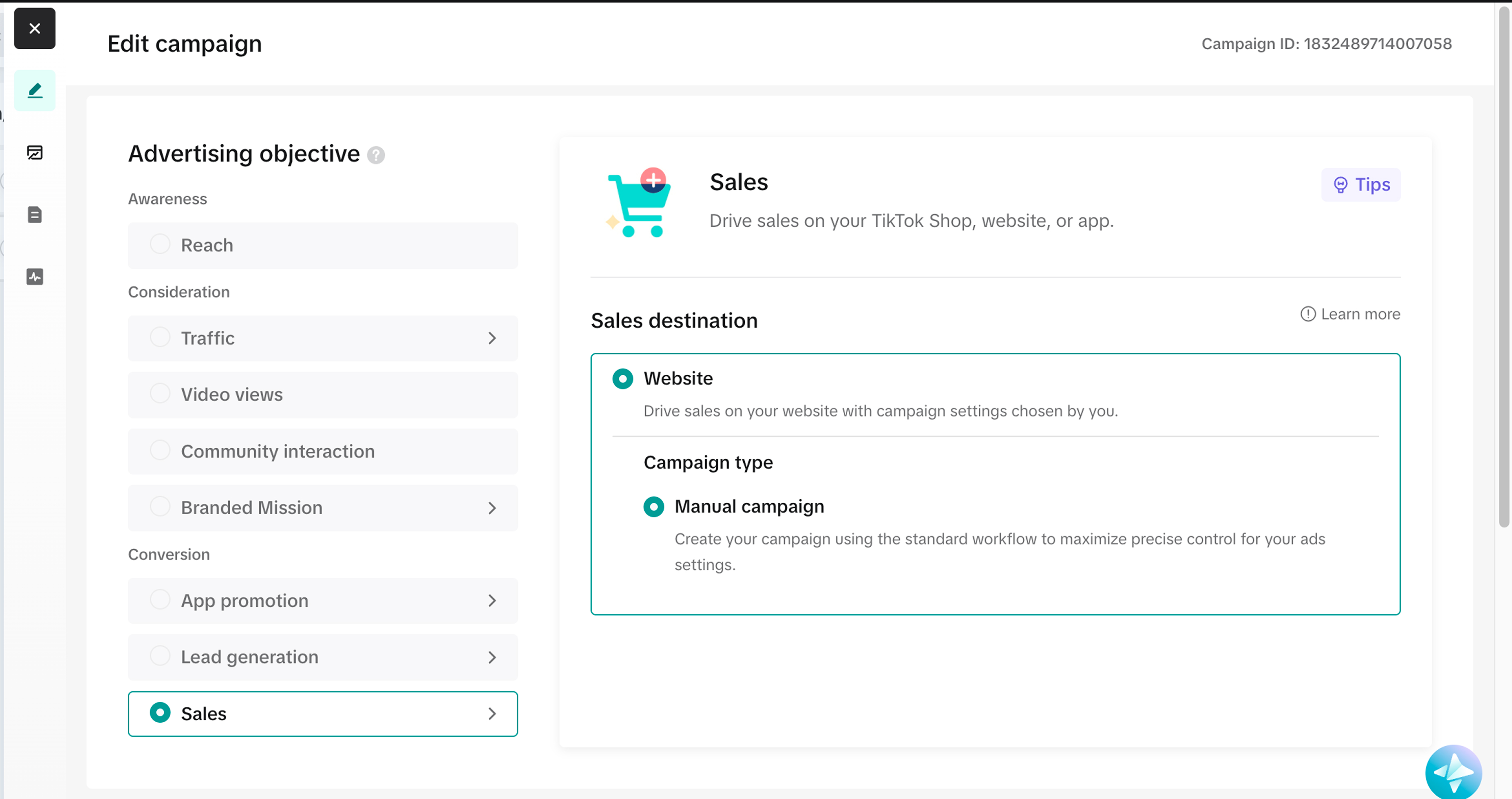
I drove initial traffic via TikTok and Meta but ran into the "Data Scarcity" trap. I learned that without thousands of events to train the Pixel, the ad algorithms never exited the "Learning Phase," making efficient targeting impossible for a bootstrapped budget.
The Friction Discovery:
Analytics revealed a drop-off at shipping calculation. This taught me that for Print-on-Demand models, shipping costs often break the "psychological price anchor," a barrier that even a refined UI cannot overcome without better unit economics.
Content Pipeline Optimization:
While lower-funnel conversion was data-constrained, upper-funnel engagement provided a lesson in Workflow Velocity. I initially built a pipeline around CapCut for high-fidelity editing. However, operational testing revealed that TikTok's native tools offered superior speed and feature integration. I refactored the workflow to prioritize native creation for rapid iteration, reserving CapCut strictly for complex, long-form storytelling.
Pixel/Event Setup: Algorithmic Marketing Infrastructure
STRATEGIC PIVOT: FROM POD TO HYBRID
The experiment revealed that the "Digital Only" POD model has two fatal flaws.
The Success Trap:
Market analysis showed that high-performing designs are immediately targeted by automated scraper bots. Scaling digital sales effectively invites IP theft.
Margin Constraints:
Reliance on single-unit production meant zero leverage on Cost of Goods Sold, making paid acquisition unsustainable.
The Strategic Roadmap:
To solve both the margin issue and the IP vulnerability, I am pivoting to Hybrid Retail—utilizing bulk purchasing for live markets and introducing artisan-finished goods (like Laser Engraved Glass) to create physical value that digital bots cannot replicate.