A VISION WITHOUT VALIDATION
A startup founder approached me with a business plan for TunedIn Care, a high-end childcare platform. The core monetization strategy relied on a major assumption: that caregivers would pay for educational courses to join the platform.
The Challenge:
However, the existing market data was generalized. Building the platform based on this unverified assumption risked launching a product that neither side of the marketplace—parents or caregivers—would actually pay for. We needed to prove the business model before writing a single line of code.
THE INVESTIGATION
I deployed a rigorous quantitative study to find the truth. Instead of relying on intuition, we gathered data from 145 respondents (96 parents and 49 caregivers) across targeted social communities.
The Goal:
The goal was to move beyond "nice-to-haves" and define a strict MVP feature set. I weighed feature requests from both user groups to create a prioritized "Feature 0 to Feature 6" roadmap, ensuring the developer would only build what users explicitly valued.
Quantitative Methodology:
Typeform surveys distributed via Reddit & Facebook niche groups.
Feature Weighting:
Ranked features (messaging, search filters, background checks) by actual user necessity.
Feature Prioritization
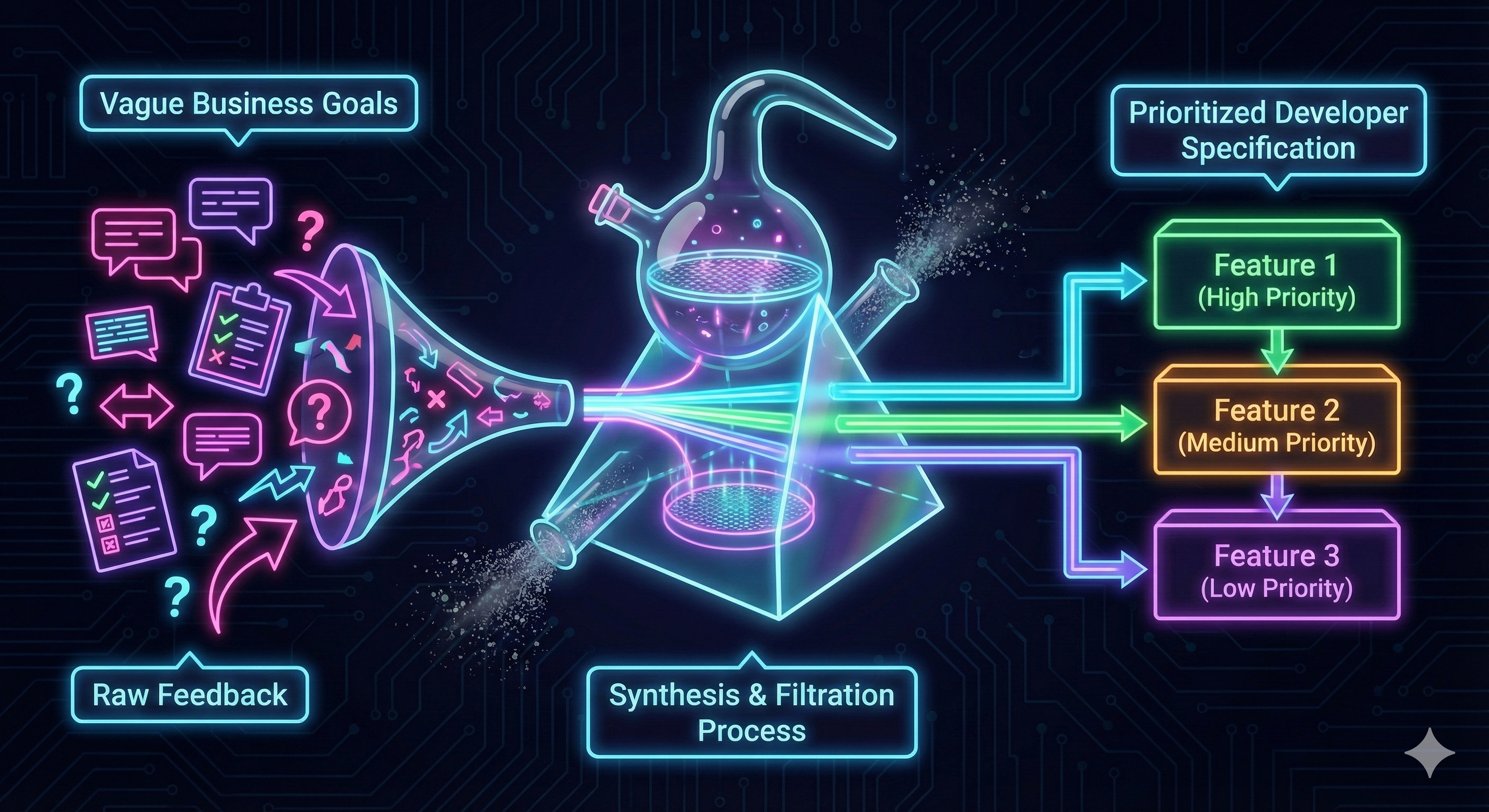
Identified user-critical features for MVP through quantitative analysis, deferring non-essential features to Phase 2 to minimize development costs and accelerate time-to-market.
THE PIVOT
The research shattered the original business assumption. The data revealed that 88% of caregivers were already certified, meaning they had zero incentive to pay for the platform's educational courses. The original revenue model was dead.
The Strategic Shift:
However, the data uncovered a new psychological hook: Gamification. While caregivers wouldn't pay for education, 72.9% stated they would take courses just to "unlock" a featured profile listing.
The Recommendation:
I advised a complete strategy pivot:
Shift Costs:
Move the financial burden to parents (who proved willing to pay for access to "vetted" talent).
Gamify Supply:
Use the courses not as a revenue stream, but as a "Badge System" for caregivers to rank higher in search results.
Experience Levels Data
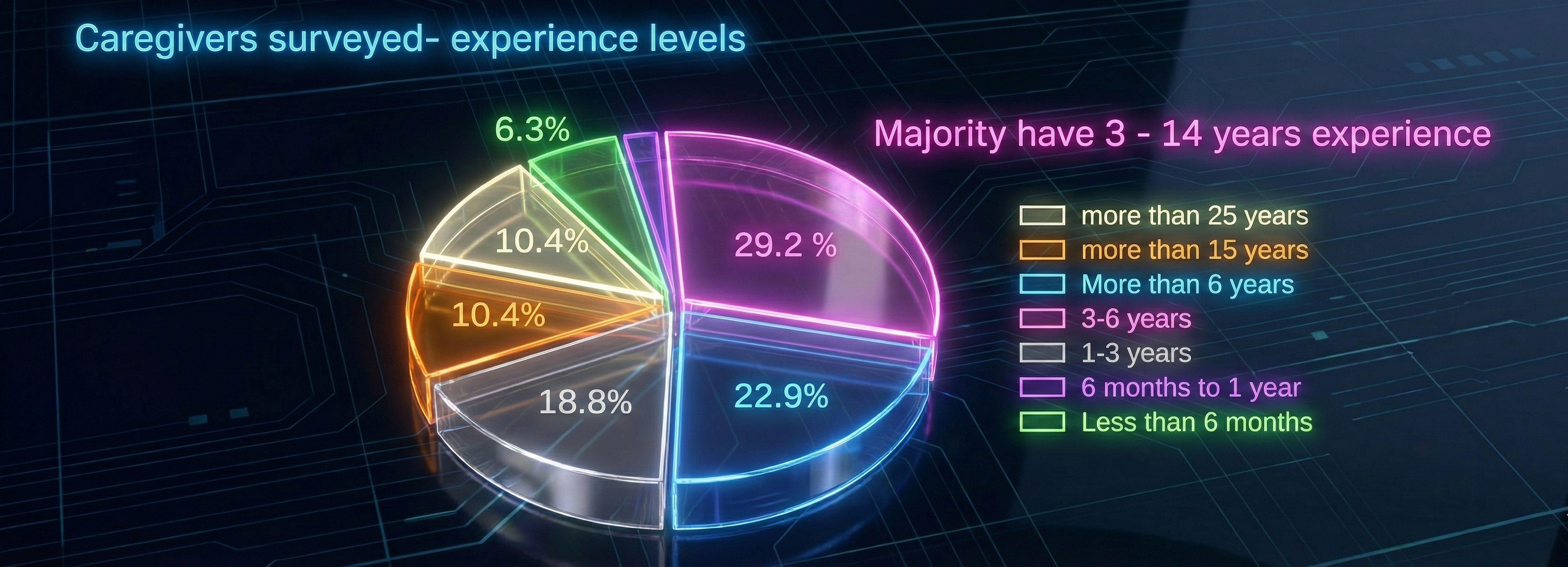
Data revealed 88% of the supply side was already certified, invalidating the education-revenue model.
Strategy Pivot
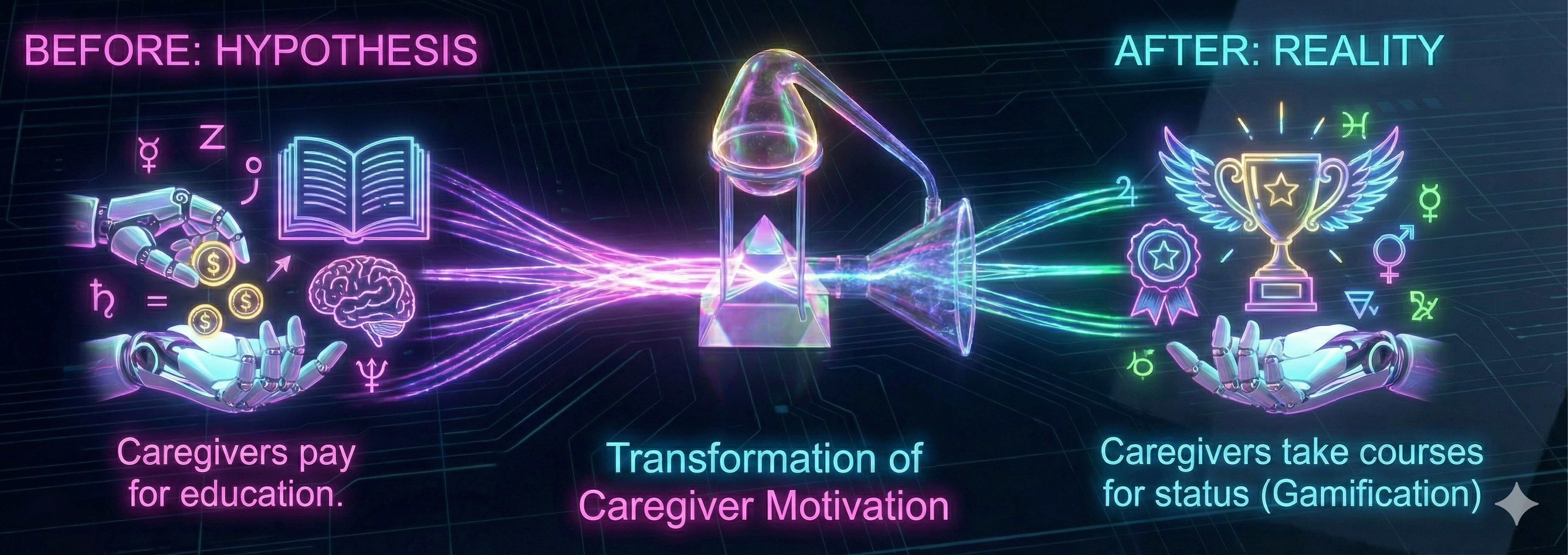
Transmuting a failed monetization model into a gamified user retention strategy.
Outcome:
The client received a validated Sharetribe Developer Specification and a business plan aimed at the actual market reality, preventing thousands of dollars in wasted development costs.